Provenance
Recovered, not invented.
Old Brittonic draws on the long sweep of British history: the peoples who first named these lands, and the Middle Ages that carried those names to us.
The name
The name is meant to be read three ways at once.
Brit
For Britain, and every age that shaped it: the tribes, the Romans, the kingdoms of the Middle Ages and all that followed.
Tonic
For the restorative drink. Ale was once the daily sustenance of these islands, taken with food and in good company.
Brittonic
For the Brittonic peoples, the first peoples of Britain, whose language and names reach back beyond Rome.
The peoples
Every Old Brittonic ale takes the name of an authentic Brittonic tribe or kingdom. Never an invented name, and never an anglicised one.
Each name is short enough to ask for across a busy bar. The first is Canti, for the Cantiaci, the people of what is now Kent.
Old Brittonic · Canti · Amber
Inspired by the Middle Ages
Our names come from Britain's oldest peoples. Our look comes from the age that remembered them. It was in the Middle Ages that chroniclers set down the story of the ancient Britons, and that heraldry gave families and houses a visual language of their own.
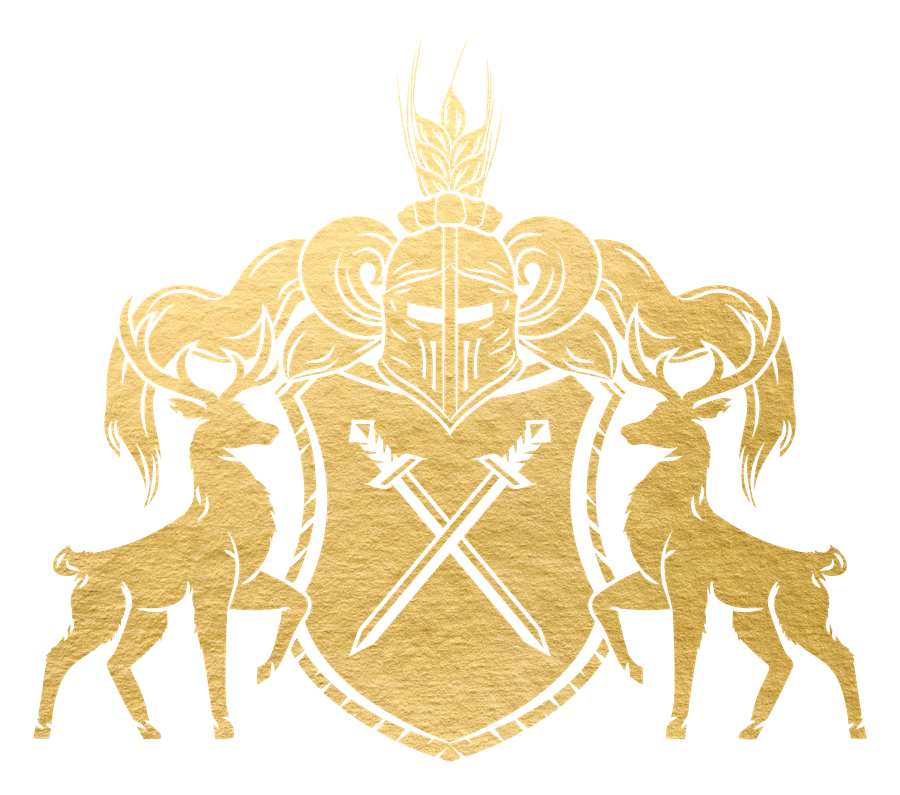
The Old Brittonic crest speaks that language: a knight's helm crowned with barley, a shield of crossed swords, and two stags of the British forest standing guard. The wordmark is drawn in a blackletter hand of the period.
Old Brittonic is inspired by the Middle Ages. It claims no medieval recipe and no ancient founding date.
I wanted a British ale that felt as though it had always been here: a name older than England, a recipe built on Maris Otter and Kentish hops, and a reason to go somewhere particular to drink it.
For the trade
Taste it before you list it.
Buyers and food and beverage managers at premium houses may request a sample, sent free and without obligation. Order enquiries come the same way.